Analysis reviewed on
.
The price is checked separately and carries its own date.
Before we recommend any device, here is the question almost nobody asks you before
selling you one: what will it protect you from, and what will it not?
Plenty of people who arrive looking for a hardware wallet would get more out of that
money spent on something else.
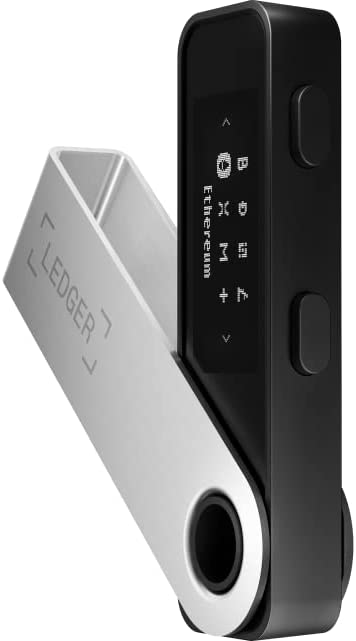
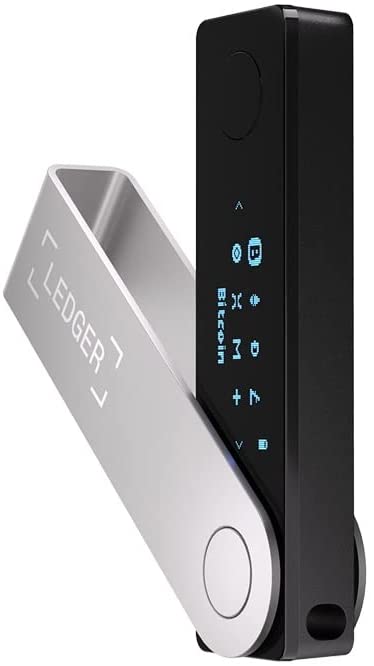
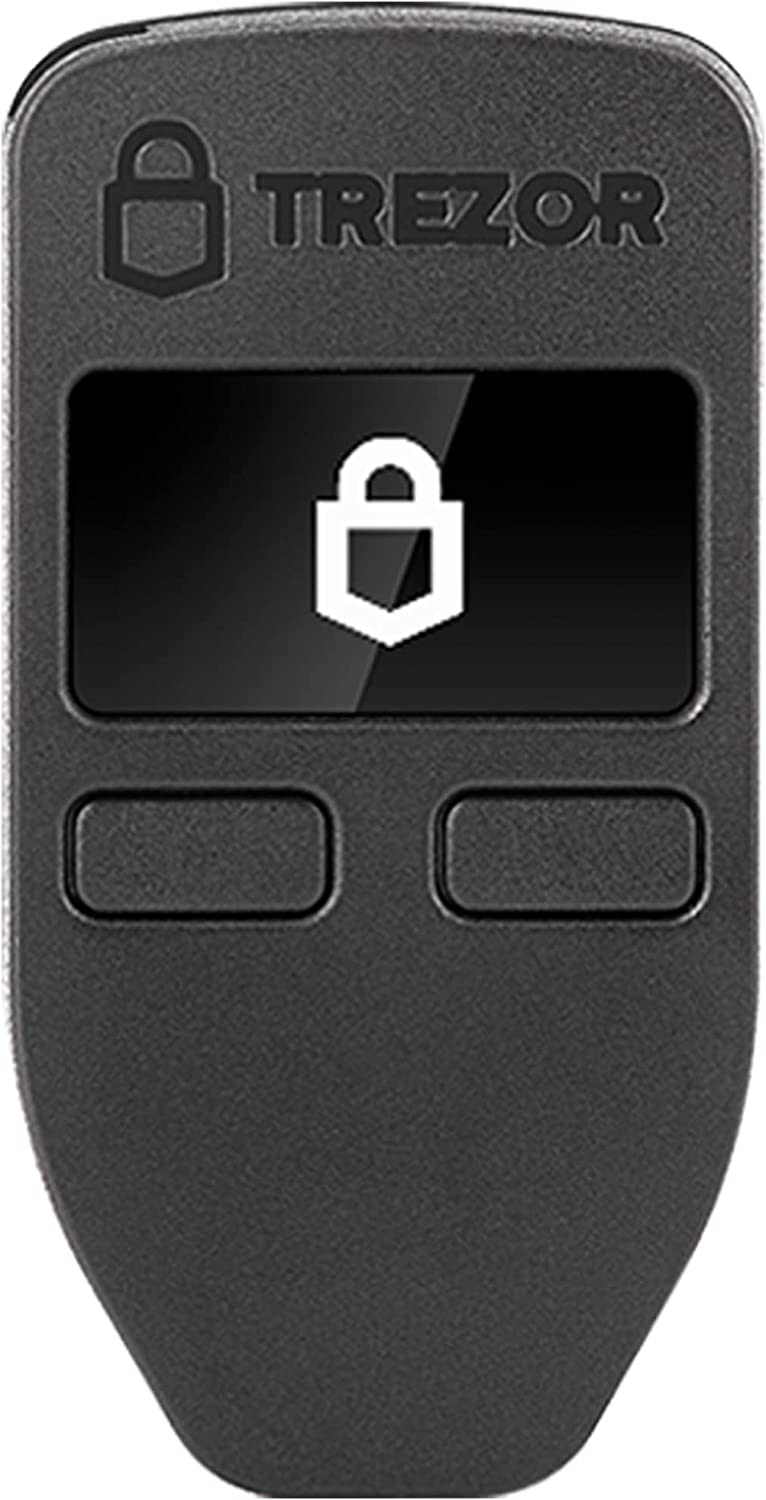
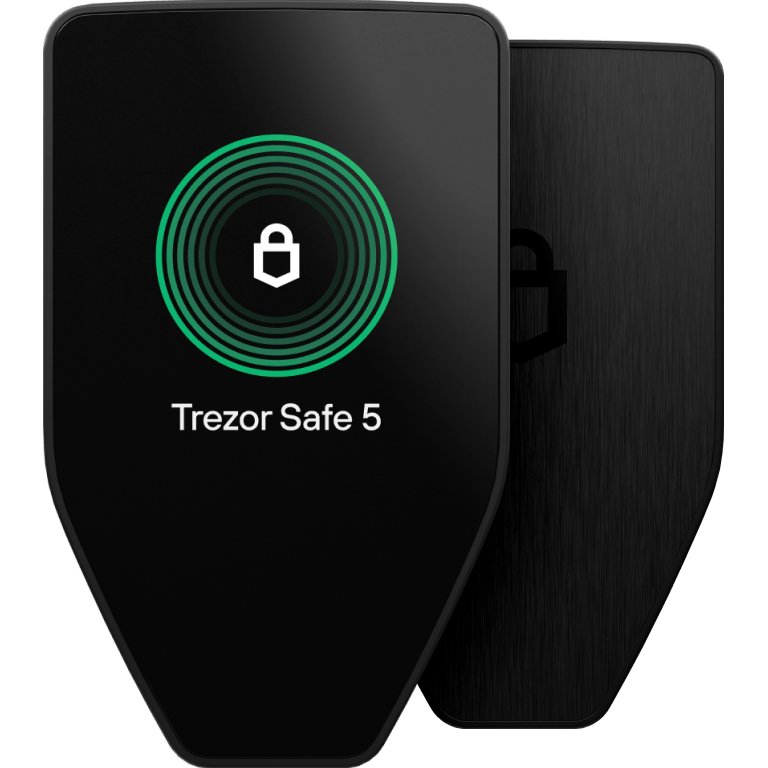
Where to buy them
The links to Amazon are affiliate links: if you buy through them, the shop pays us a
commission. It does not change the price you pay, and it does not decide what appears
here.
Do not buy a device yet. Two-step verification with an app
— not by SMS — and a password you use nowhere else. It is free. A Trezor
Safe 5 costs €129: on €300 of savings, that is 43%.
Between €1,000 and €10,000
It starts to pay off, above all if you do not plan to touch it for a long time.
More than €10,000, or held for years
Yes. Leaving the balance there means accepting that the solvency of the platform
is part of your risk, and that no longer depends on you.
And a warning that does not come with the product: self-custody moves
the risk, it does not remove it. You stop depending on a company not going under and
start depending on yourself not losing a sheet of paper.
What it will not protect you from, further down.
A hardware wallet keeps your private key inside a device that never hands it over: the
transaction is signed inside and comes out signed, so the key never touches the
computer, not even an infected one. That solves one very specific problem — somebody
copying it from a distance — and none of the others:
It does not protect you from signing something malicious. If you are
tricked into authorising a transaction and you confirm it on the screen of the
device, the device signs it. That is where most of the money lost today goes, and no
maker closes that door.
It does not protect you from losing the recovery backup. Those 12, 20
or 24 words are your money. The device is a replaceable remote control.
It does not protect you from yourself. An address pasted wrong, the
wrong network, a transfer to a contract that gives nothing back: you sign that
yourself, and it cannot be undone.
What the Spanish tax office makes of it when you move your coins out
This is the part that does not come in the box, and the one that raises the most doubts
when somebody decides to move their balance.
Moving your crypto from an exchange to a wallet of your own is not a taxable
event. It is not a disposal: you are not selling, you are not swapping and the
composition of your assets does not change, so there is no gain or loss to declare. You
still hold the same thing, somewhere else. That is why our
tax calculator does not touch your
purchase queue when you record a withdrawal: moving consumes nothing.
What does change is form 721, and it changes in
your favour. That reporting form applies to anyone holding crypto in the custody of
entities outside Spain above €50,000 on 31 December. In self-custody there is no entity
keeping your keys, so that balance does not count towards the 721. Mind the catch: if you
leave half of it on a foreign platform, that half still counts.
And what does not change: when you sell, the gain is worked out from the price you paid,
oldest first. Passing through a wallet of your own resets nothing and erases no history.
Wealth tax, where it applies, does not tell one storage place from another either.
Frequently asked questions about storing crypto
With a small holding, no. A Trezor Safe 5 costs €129 at the maker's own shop: on €300 of savings, that is 43% of what you are protecting. With that much, half an hour spent turning on two-step verification with an app — not by SMS — and setting a password you use nowhere else pays off far better.
No. Moving coins to a wallet of your own is not a disposal: it does not change the composition of your assets, so there is no gain or loss to declare. You are taxed when you sell or swap, and the gain is then worked out from your original purchase price. You can see it in the tax calculator.
No. Form 721 applies to anyone holding crypto in the custody of entities outside Spain above €50,000 on 31 December. In self-custody nobody holds your keys but you, so that balance is out. We explain it in more detail on form 721.
From somebody copying your key over the internet, yes. From signing a transaction that empties your wallet yourself, no: if you approve the operation on the screen, the device signs it. That is where most of the money that is lost today goes, and no device closes that door.
Nothing happens, as long as you still have the recovery backup — the 12, 20 or 24 words it shows you while you set it up. The device can be replaced; that list cannot. Whoever has it has your money, and whoever loses it loses the money.
We use necessary cookies and, only if you accept, Google Analytics to count visits.
Cookie policyMore information
The necessary ones keep the site working and cannot be switched off. We use no advertising or social media cookies. You can change your mind at any time from "Cookie settings" in the page footer.
 BTC
$75,693
down -0.67%
BTC
$75,693
down -0.67%
 ETH
$2,389.74
down -1.04%
ETH
$2,389.74
down -1.04%
 USDT
$0.999477
down 0.00%
USDT
$0.999477
down 0.00%
 BNB
$712.55
down -0.70%
BNB
$712.55
down -0.70%
 XRP
$1.27
down -8.33%
XRP
$1.27
down -8.33%
 USDC
$0.999759
up 0.00%
USDC
$0.999759
up 0.00%
 SOL
$97.10
down -1.65%
SOL
$97.10
down -1.65%
 TRX
$0.335749
up 0.25%
TRX
$0.335749
up 0.25%
 FIGR_HELOC
$1.00
down -4.11%
FIGR_HELOC
$1.00
down -4.11%
 ZEC
$1,262
up 13.68%
ZEC
$1,262
up 13.68%
 HYPE
$78.80
up 3.04%
HYPE
$78.80
up 3.04%
 DOGE
$0.079121
down -2.68%
DOGE
$0.079121
down -2.68%
 USDS
$0.999551
down -0.01%
USDS
$0.999551
down -0.01%
 RAIN
$0.01314582
down -3.97%
RAIN
$0.01314582
down -3.97%
 XMR
$490.60
down -3.81%
XMR
$490.60
down -3.81%
 WBT
$77.76
down -1.01%
WBT
$77.76
down -1.01%
 LEO
$8.85
up 0.47%
LEO
$8.85
up 0.47%
 LINK
$10.72
down -4.44%
LINK
$10.72
down -4.44%
 ADA
$0.191828
down -4.65%
ADA
$0.191828
down -4.65%
 XLM
$0.173887
down -8.08%
XLM
$0.173887
down -8.08%